
Subtotal ₹0.00



Introduction
In the pharmaceutical industry, accuracy and reliability are critical to ensuring the safety and efficacy of drugs. Analytical instruments play a key role in drug development, quality control, and regulatory compliance. In this blog, we discuss how high-precision instruments contribute to pharmaceutical testing and why accuracy is essential.
1. Importance of Analytical Instruments in Pharma
Pharmaceutical companies must meet strict quality and safety standards set by regulatory authorities like the FDA and WHO. Analytical instruments such as dissolution testers, spectrophotometers, and chromatographs help ensure that drugs meet the required specifications before reaching consumers.
2. High-Precision Dissolution Testing
Dissolution testing is essential in evaluating how a drug dissolves in the body. Xenomech’s advanced dissolution testers provide highly accurate and reproducible results, ensuring drug formulations perform as intended. Features like automated sampling, temperature control, and CFR compliance enhance reliability.
3. Spectroscopy in Drug Analysis
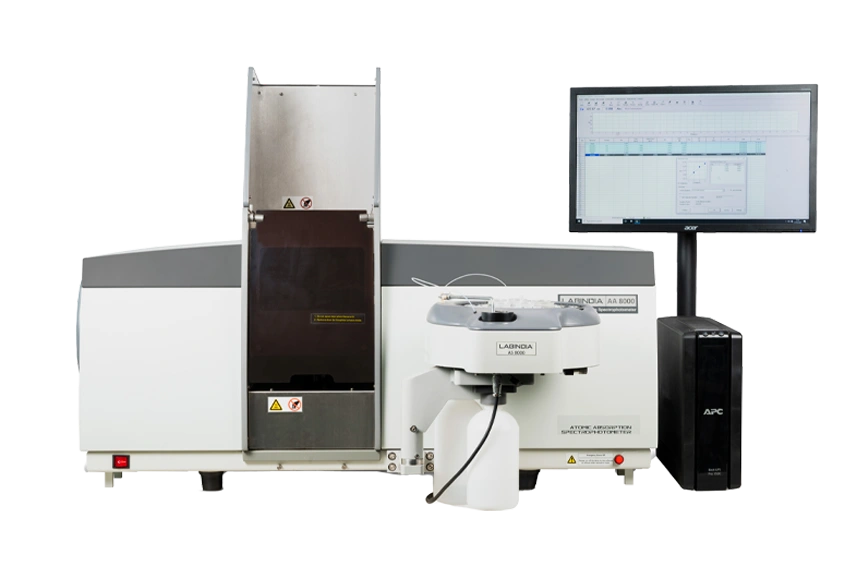
Spectroscopy techniques, including UV-Vis, FTIR, and NMR, are widely used in pharmaceutical testing. These instruments help determine the chemical composition and purity of drug substances, ensuring compliance with regulatory standards.
4. Compliance & Quality Control
Adhering to regulatory standards is non-negotiable in the pharmaceutical sector. 21 CFR Part 11-compliant instruments with audit trails, electronic signatures, and real-time monitoring ensure compliance, reduce human errors, and maintain data integrity.
Conclusion
High-precision analytical instruments are the backbone of pharmaceutical testing, ensuring drugs are safe, effective, and compliant with global standards. Xenomech Analytical Instruments provides state-of-the-art solutions to support the pharmaceutical industry in achieving accuracy and reliability.
